
Published in UX Collective
The story of OnePlus may not be the one of a Maverick that stood up to the tech giants. Founded in Beijing in 2013, the popular brand came out of the imagination of two high executives from Oppo (4th leading smartphone manufacturer).
Later publicly known as a branch of BBK Electronics (like Oppo and Vivo), it is known that OnePlus benefits from the synergies within the group (manufacturing, patents…). Despite controversies and how deeply OnePlus remains anchored into its corporate roots, the core philosophy of the brand has set the firm completely appart from the competition :
“share the best technology with the world, hand-in-hand with you”
That last statement, hand-in-hand with you, is far more from being just a simple marketing line. It is the main ethos that led the brand to its current success (№1 smartphone brand in India). Far beyond the basic principles that it appeals to, the extensive care that OnePlus has put on user-experience makes it a paragon of customer-focused enterprises.
(Although customer-focus is not always the best strategy for all companies, it has proven to be very efficient for actors such as OnePlus whose success most likely depends on it. The purpose of this article is to describe a good overall of how OnePlus provides value to its customers through their smartphones.)
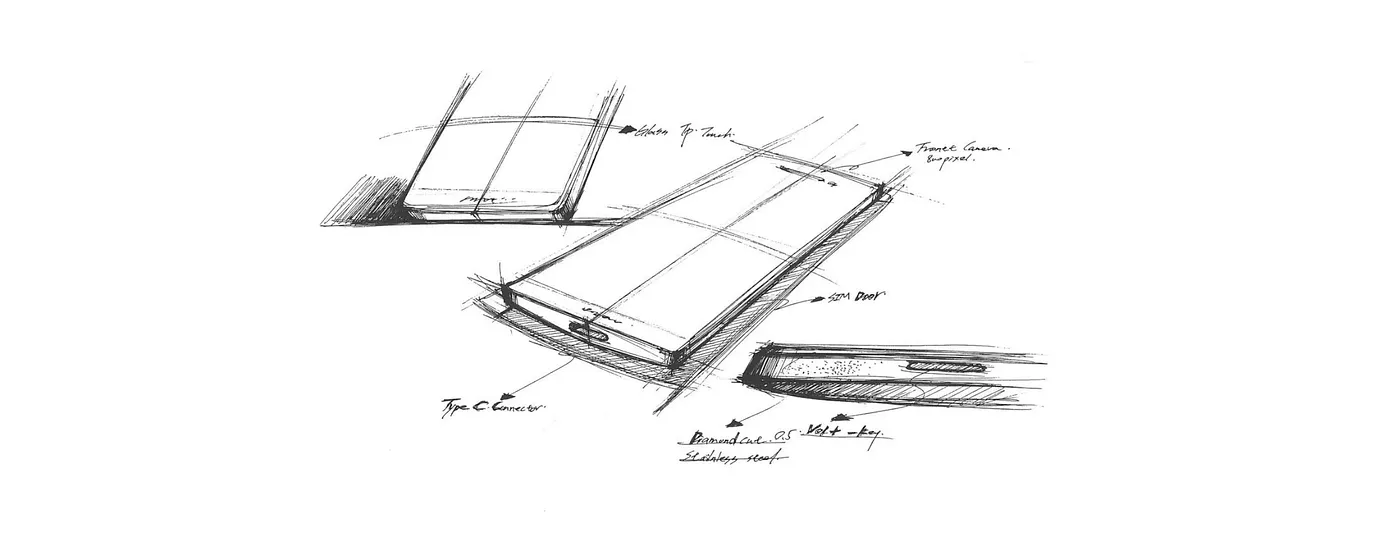
As the OnePlus One was announced, it was already clear what the brand stood for. “The Flagship Killer” as the press designated it (and still does) was not only powered by some of the most high-end hardware components, but its price was half of what the competition offered for comparable specifications.
One cannot simply achieve such price cost without compromising. As co-founder Carl Pei explained, OnePlus’ cost-reducing strategy consists in low marketing expenses, retail costs optimization, and most importantly no greed in making short term money.
“We are fine with not making any money on our smartphones for two years, to give more people the chance to experience the quality of our devices, and help us build a name.” (Carl Pei, 2014)
Greed seems like a common pitfall for many startups which need to rapidly cover the initial investments. But there are higher benefits in making your product as accessible as possible : what better ways to improve a product than to multiply its users and thus their feedback inputs ?
OnePlus understood it so well that they even bent their first principle about marketing. While marketing can be seen as an uncontrolled and dispensable expense at the beginning, further on it generates even more potential feedback inputs by opening the circle to less tech-savvy communities, thus improving the product even more.
In a nutshell, OnePlus’ choice to prioritize affordability and accessibility did not come to the expense of user experience, and in fact is executed in a way that enhances it. Companies who want to reduce the price of the product should look up first to where they can optimize processes and how well they can do with very little profits on the short run.
When a product is cheap and accessible, you might expect there to be a catch. Free services, such as Google or Facebook, might offer some of the most solid and reliable web technologies, but at some point a transaction occurs between you and them (in this instance, your personal data).
Such process is also quite common in the smartphone industry, and even more today with the decline of hardware sales : smartphone manufacturers focus more and more on the sales of services, viewing their hardware as a platform for selling, rather than as the product itself.
Xiaomi is a good example of that : while its smartphone business generates very low profit (ranging from 5 to 10%), the bulk of its profit is generated from the services it sells afterwards.
Similarly, while OnePlus is able to sell its products at a very affordable price, you would expect them to constantly bring forward some cloud services or any other supplementary offers…
As a matter of fact, they don’t.
Unlike other phone makers, OnePlus doesn’t need you to be on your smartphone often. The only transaction that occurs between the brand and its customers is the purchase of the device. There are no additional services or other advertising you can expect (hello Apple). In that respect, the rest of the experience can be entirely focused on the user. (it has never been proven that OnePlus uses user data for other reasons than software fine-tuning and after-sales support).
Custom software additions such as the “Zen Mode” are the perfect illustration of this philosophy. Digital well-being is a coyly pursued trend for smartphone makers, which mainly consists in giving users access to their phone usage statistics. In addition to offering similar functionalities, the Chinese brand brought it a step further by presenting the Zen Mode in 2019.
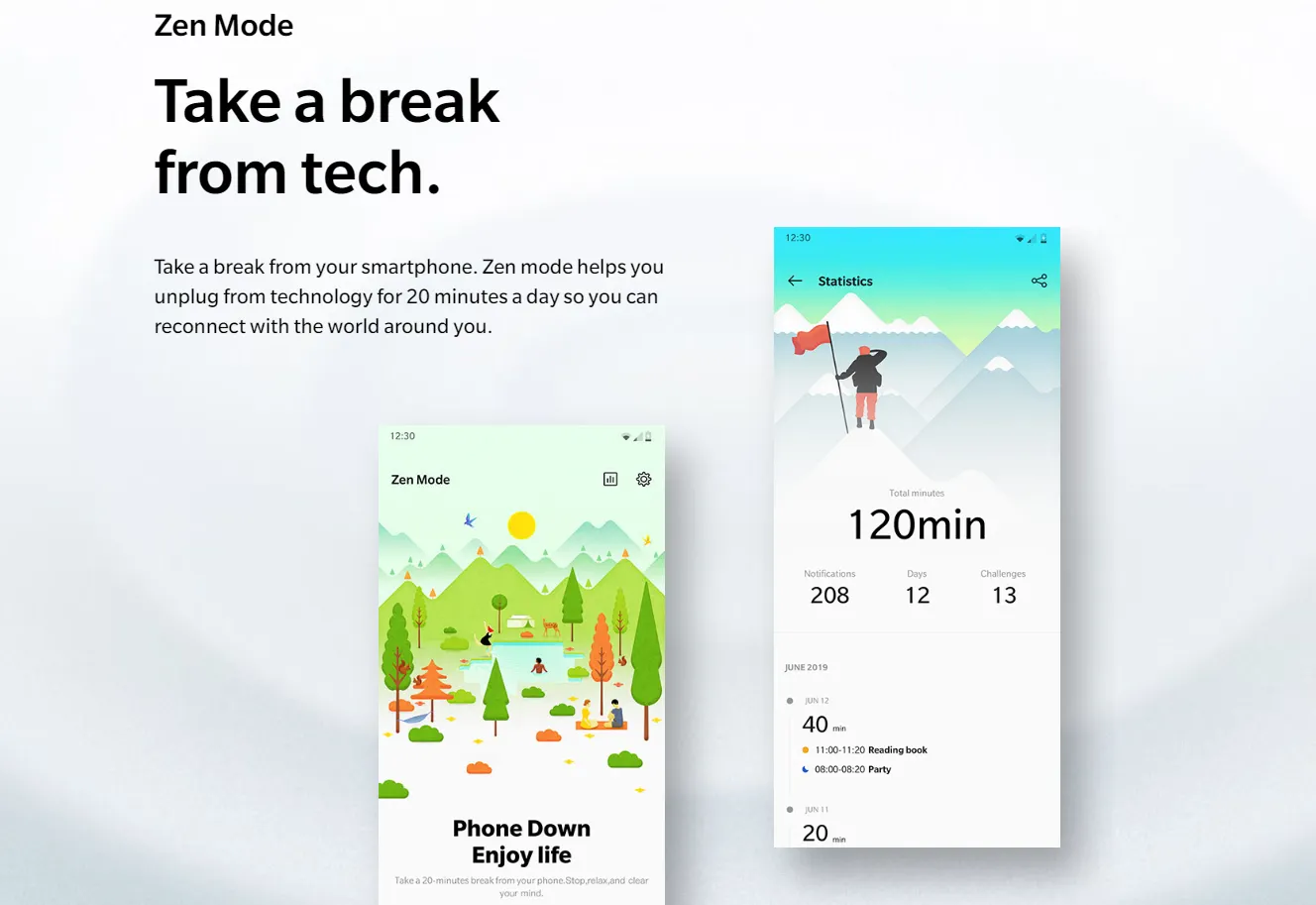
In simple terms, the Zen Mode’s purpose is to make you use your smartphone less.
Out of every smartphones brands, OnePlus is one of the only who can afford building user functionalities that promote not using your smartphone.
This is a good illustration of the attitude the company has when it comes to creating software. It is a pleasure to use a device that has no hidden motives on your usage. Purchasing a OnePlus doesn’t feel like staying in the store with a salesman — you bring home a device that belongs to you, and that is actually designed to serve you.

Apple has long been the perfect example of a tech company profiting mainly from its hardware sales. As one could have expected, it has been found out that they had recourse to programmed obsolescence — voluntarily degrading the usefulness of a product in order to create an artificial renew of demand as the consumer will most likely purchase a product from the same brand that he got used to.
That is why it is hard to trust the durability of a product made by a company that makes its bucks by selling hardware products. As previously mentioned, OnePlus’ turnover consists mainly of its sales of devices. Having recourse to such sly practices could seem logical to guarantee a purchase renewal from the most loyal customers.
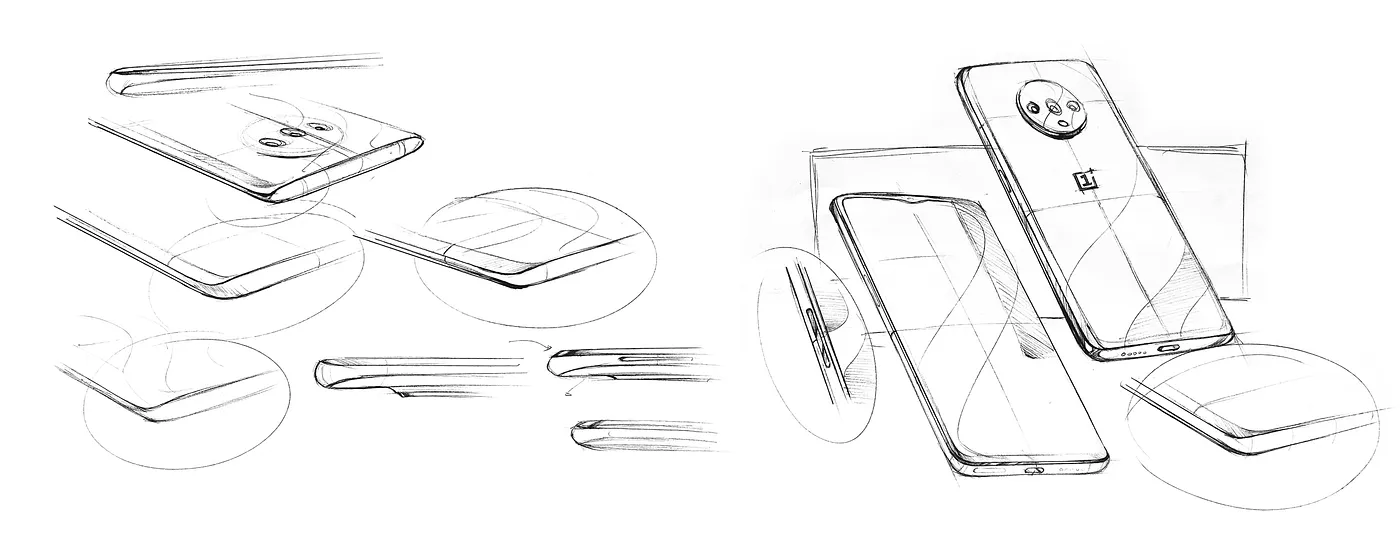
This isn’t the case at all. In fact it is highly the opposite : OnePlus puts a lot of efforts into designing its devices to last as long as possible.
The cost-optimizing strategy of OnePlus does not conflict in any ways with their will to make the device as durable as possible. Regarding the build materials, the use of solid glass or ceramic has always been the go-to for the Chinese brand. The glass panels of the phone have for long been the high industry standard Corning Gorilla Glass, known for its durability.
As a bonus, OnePlus is also known for placing glass screen protectors out of the box on their devices by default, again enhancing the durability of the latter.
OnePlus devices (from the OP6) are also “informally” water resistant (IP68). Pete Lau expressed how his phones were actually resistant to water as much as their competing smartphones, but that they were not officially rated by an Ingress Protection code to save money — again making the phone more accessible to consumers.
One of the biggest stakes for smartphone makers is software updates. Not only does it provide users with the latest and best features of the platform, but it enhances security. That is where many smartphone companies (especially Android manufacturers) fail, and some never hesitate to point out the lousy update rates of their competitors.
OnePlus is known to be one of the top performers in terms of software update. It provides its users with a minimum of a 2 year software support period and 3 years for security patches. (The Android Update Tracker AOSMark ranked OnePlus 2nd in terms of OS updates, right after Google)
The firm has already announced the devices that will be updated to the brand new Android 10, and guess what ? The OnePlus 5 from 2017 is included in the list as well as all the devices released after that : that’s more than 3 years of software update support, something which is hardly seen in the competition.
Finally, it seems important to mention some of the software features built by OnePlus, designed to preserve the device health as much as possible. Introducing Optimized Charging. Late 2019, OnePlus announced working on a feature that will help preserve the health of your battery. Basically, Optimized Charging prevents the device from overcharging when being in charge overnight, allowing your devices autonomy to be more constant throughout your usage. This update will most likely be pushed to all current OnePlus devices.
Customization is a common debate in the smartphone industry. While many are very critical on Apple’s way of leaving little to no room for customization, there are good arguments for this approach. In my view, there are 2 good reasons to lock customization possibilities :
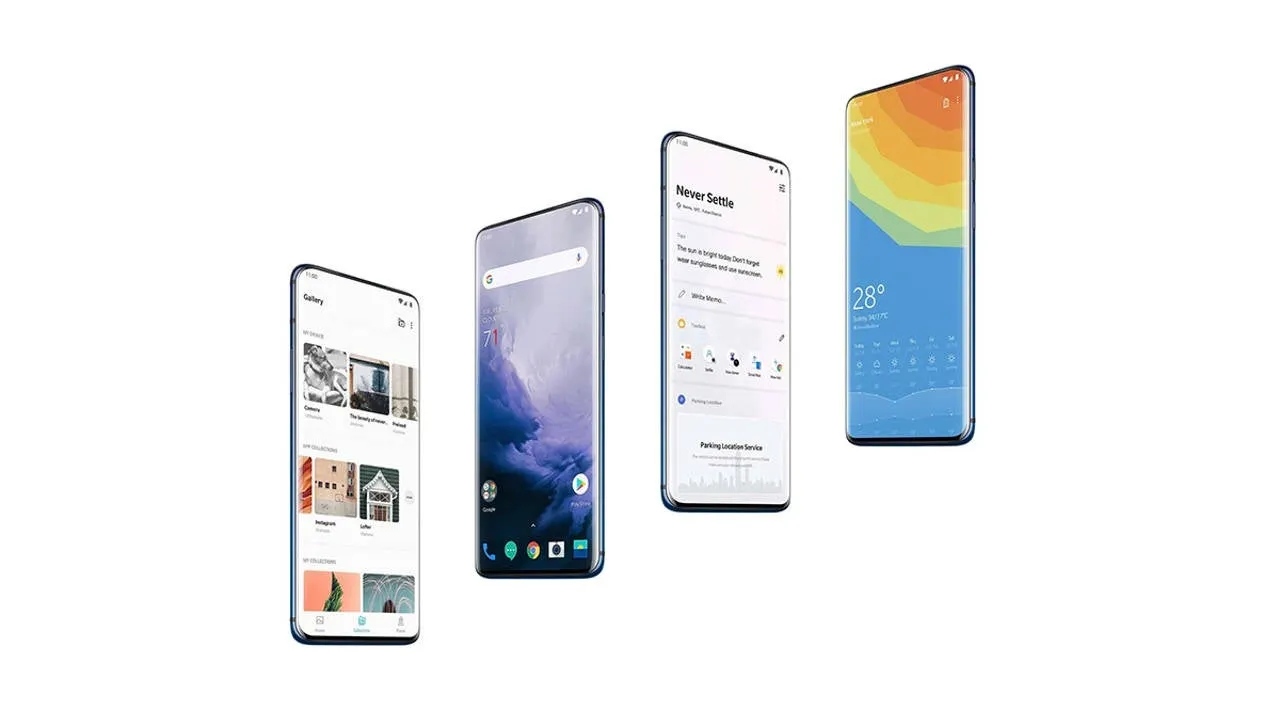
OnePlus took a quite unique approach to this issue in very customer centered way. The brand’s operating system, Oxygen OS, provides users with a minimalist default look, which is very usable and shy on branding. There are however plenty of options letting you customize how you want your device to look like : ranging from color accentuation, to custom icon packs and fonts.
OnePlus doesn’t need your phone’s aesthetics to match its branding. Again, as the product is almost entirely focused on the user experience, it trusts you into making the right decisions as long as it works for you.
Beyond cosmetic configurations, Oxygen OS also provides you with a wide range of functional ways to use your device. For instance, screen-off gestures allow you to quickly open apps with your screen off. There are also 3 highly customisable navigation gestures and buttons that can be configured by the user.
In a nutshell, OnePlus provides its users with a a solid and very minimal base, and a variety of features to let users customize the looks and the feel of their individual experiences equally. While there is a “risk” that some devices become “bad ambassadors”, OnePlus can count on the users to be the ambassadors of their unique non-branded experience.

While some companies are open to feedbacks from their consumers (especially when it concerns usability issues), OnePlus is roughly the only brand that proactively listens to their community in search of new features.
There has been the OnePlus community forums since day one, which allows users to interact with the firm about their device and software. In March 2020, the Chinese brand brought it to a whole new level with a dedicated idea submitting platform : OnePlus IDEAS.
Some submitted features (such as Always On Display) are already on their way to be implemented into the next official update of Oxygen OS.
Understandably, customer feedbacks are to be taken with a step back, and OnePlus does push many useful updates that were never asked for. As Henry Ford famously said :
“If I had asked people what they wanted, they would have said faster horses.”
The manufacturer has a certain view of his product that is wider and more practical than the users’. But in the end, you can’t expect every case scenario of how your product will be used. Having an infrastructure ready to receive user feedbacks and request assures you to never miss out on any unidentified needs.
The growing success of OnePlus has inevitably led it to leave its fresh “startup” status in favor of a more mature and more corporate image. The launch of the OnePlus 7 product line marked a marked a turning point in the firm’s vision. It has progressively opened itself to a larger public : printing ads with celebrities and offering wider ranges of products.
Moreover, OnePlus also started exploring their potential role as an innovator in the smartphone market. The company has undertaken several attempts to explore new horizons (disappearing cameras…).
It will be interesting to see whether this new vision the company seems headed towards contravenes with the altruism to which it owes its success.
With a smartphone market that is gradually in decline, it will also be fascinating to see how OnePlus will cop with the situation, given its profit depends mainly on hardware sales.